
Complete Guide to Holiday Ecommerce Preparation
More than $1 trillion is expected to flow through American ecommerce this holiday season, setting a new benchmark for online sales. With consumer preferences changing rapidly and shoppers demanding seamless experiences, the pressure on retailers has never been greater. Discover what truly sets successful American businesses apart as you learn how to tackle site performance, marketing, logistics, and more, all with the goal of capturing a greater share of this booming market.
Table of Contents
- Defining Holiday Ecommerce Preparation Essentials
- Holiday Shopping Trends and Customer Behaviors
- Optimizing Site Performance for High Volume
- A/B Testing and Conversion Optimization Tactics
- Effective Product Promotions and Marketing Strategies
- Managing Logistics, Shipping, and Customer Support
Key Takeaways
| Point | Details |
|---|---|
| Strategic Preparation is Key | Successful holiday ecommerce hinges on optimizing website performance, managing inventory, and enhancing customer experience. |
| Consumer Trends Indicate Increased Spending | Shoppers are showing optimism with an 8% increase in holiday spending projected, highlighting the need for businesses to adapt to consumer demands. |
| Performance Optimization is Crucial | Ensuring fast website loading and effective infrastructure is essential to handle traffic spikes during the holiday season. |
| Personalized Marketing Enhances Engagement | Employing AI technology for product recommendations and creating emotional narratives increases consumer connection and conversion rates. |
Defining Holiday Ecommerce Preparation Essentials
Holiday ecommerce preparation represents a critical strategic period for online businesses looking to maximize seasonal revenue opportunities. With consumer holiday shopping behaviors rapidly evolving, understanding the fundamental essentials can make the difference between a mediocre and exceptional sales season.
The National Retail Federation predicts unprecedented growth, forecasting that U.S. holiday sales will surpass $1 trillion for the first time, representing a potential 3.7% to 4.2% increase over previous years. This substantial projected growth underscores the immense importance of strategic preparation for online retailers seeking to capture their share of this lucrative market.
Successful holiday ecommerce preparation involves several key strategic components:
- Website Performance Optimization: Ensuring your online platform can handle increased traffic
- Inventory Management: Accurately predicting and stocking popular products
- Marketing Campaign Planning: Developing targeted promotional strategies
- Customer Experience Enhancement: Creating seamless, user-friendly shopping experiences
- Technical Infrastructure Readiness: Preparing backend systems for high-volume transactions
By methodically addressing these core preparation areas, ecommerce businesses can position themselves to capitalize on the substantial revenue potential during the holiday shopping season.
Holiday Shopping Trends and Customer Behaviors
The holiday shopping landscape continues to evolve, with consumers demonstrating remarkable resilience and strategic spending patterns. Recent surveys reveal nuanced consumer attitudes indicating that economic uncertainties are not significantly deterring holiday purchasing intentions, with 62.5% of consumers reporting that current economic conditions will not impact their gifting plans.

Spending Projections are particularly promising this season. U.S. shoppers are signaling increased optimism, planning to boost holiday spending by 8% compared to the previous year, reflecting a strong consumer confidence that could drive substantial retail activity. This trend suggests businesses should prepare for potentially higher demand and more complex consumer expectations.
Key trends emerging in holiday shopping behaviors include:
- Digital-First Shopping: Continued preference for online and mobile purchasing channels
- Personalization Demand: Increasing consumer desire for tailored shopping experiences
- Value-Driven Purchasing: Emphasis on meaningful gifts and strategic spending
- Early Holiday Shopping: Trend of starting holiday purchases earlier to avoid potential supply chain disruptions
- Omnichannel Integration: Seamless experiences across digital and physical retail platforms
These evolving trends underscore the critical need for ecommerce businesses to adapt quickly, leveraging data-driven insights and flexible strategies to meet changing consumer expectations.
Optimizing Site Performance for High Volume
During the holiday shopping season, site performance becomes the critical backbone of ecommerce success. Breaking the 2-second website loading rule represents a fundamental benchmark for maintaining customer engagement and preventing potential revenue loss.

Retail managers must prioritize customer-centric behaviors to ensure seamless online experiences during high-traffic periods. This approach involves strategic preparation across multiple technical and operational dimensions to handle sudden traffic spikes and maintain optimal website responsiveness.
Key strategies for site performance optimization include:
- Server Infrastructure Scaling: Upgrade hosting capabilities to manage increased load
- Content Delivery Network (CDN) Implementation: Distribute website content across multiple global servers
- Image and Asset Optimization: Compress and streamline media files for faster loading
- Caching Mechanisms: Implement intelligent caching to reduce server processing time
- Mobile Responsiveness: Ensure smooth performance across different devices and screen sizes
By proactively addressing these performance considerations, ecommerce businesses can create robust digital infrastructures capable of delivering exceptional user experiences during the most demanding shopping periods.
A/B Testing and Conversion Optimization Tactics
Understanding A/B testing strategies is crucial for ecommerce businesses seeking to maximize holiday season conversions. By systematically testing different website elements, marketers can make data-driven decisions that directly impact revenue and customer engagement.
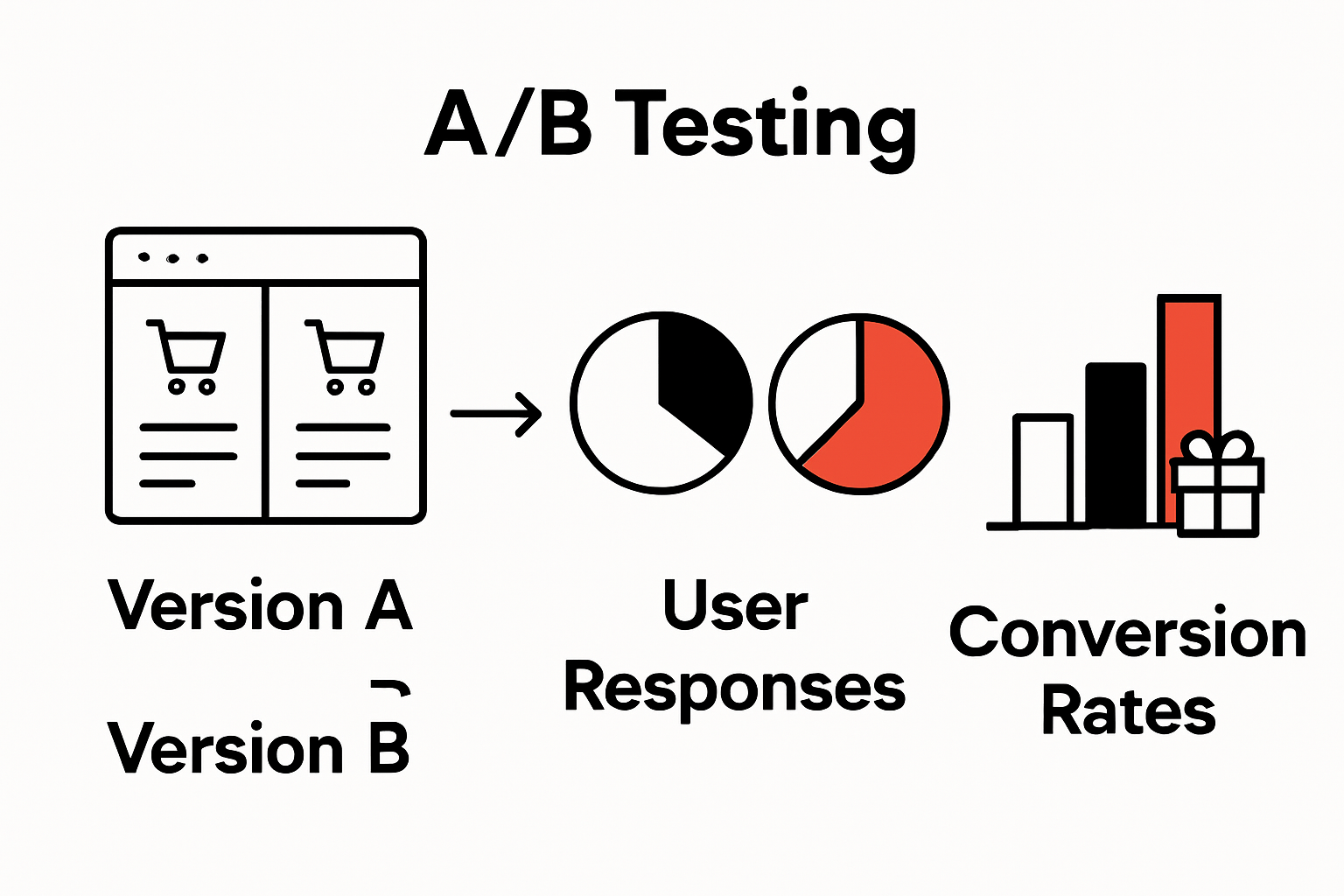
Retailers are increasingly integrating online tools with physical experiences, creating seamless omnichannel interactions that enhance customer satisfaction. This approach demands sophisticated A/B testing techniques that go beyond simple webpage variations and encompass comprehensive user experience optimization.
Key A/B testing and conversion optimization tactics include:
- Design Element Testing: Evaluate button colors, placement, and visual hierarchy
- Checkout Process Optimization: Streamline transaction flows to reduce abandonment
- Pricing Strategy Experiments: Test different pricing models and discount presentations
- Personalization Variations: Create targeted experiences based on user segments
- Dynamic Content Testing: Modify messaging and imagery for maximum engagement
Successful holiday ecommerce strategies require continuous experimentation, leveraging nuanced insights to create compelling, conversion-driven digital experiences that resonate with increasingly sophisticated online shoppers.
Effective Product Promotions and Marketing Strategies
Strategic retailers are creating heightened emotional experiences that transform holiday shopping from a transactional process into an engaging, rewarding journey. By understanding the psychological triggers that motivate consumers, businesses can craft marketing approaches that resonate deeply with holiday shoppers.
Innovative retailers are leveraging AI-powered recommendation engines to deliver personalized shopping experiences that feel intuitive and customer-centric. These advanced technologies enable businesses to create targeted marketing strategies that speak directly to individual consumer preferences and shopping behaviors.
Key product promotion and marketing strategies include:
- Emotional Storytelling: Develop marketing narratives that connect with holiday sentiments
- Personalized Recommendation Engines: Utilize AI to suggest products based on individual browsing history
- Limited-Time Offers: Create urgency through time-sensitive promotions
- Segmented Email Campaigns: Develop targeted messaging for different customer groups
- Social Proof Marketing: Highlight customer reviews and testimonials
Successful holiday marketing transcends traditional promotional tactics, focusing instead on creating memorable, personalized experiences that transform casual browsers into committed customers.
Managing Logistics, Shipping, and Customer Support
Consumer preferences increasingly favor e-commerce platforms that offer flexible shipping options and seamless customer experiences. This shift demands a comprehensive approach to logistics management that balances technological efficiency with personalized customer support.
Retailers strategically leverage promotional tactics, recognizing that seemingly discounted items can drive broader customer engagement and purchasing behaviors. These nuanced strategies require sophisticated logistics planning that anticipates and meets dynamic consumer expectations.
Key logistics and support strategies include:
- Flexible Shipping Options: Multiple delivery timeframes and methods
- Real-Time Tracking: Transparent shipment monitoring systems
- Proactive Communication: Automated updates and personalized notifications
- Multi-Channel Support: Integrated customer service across digital platforms
- Inventory Management: Advanced predictive stocking technologies
Successful holiday logistics transcend traditional shipping models, creating integrated experiences that prioritize customer convenience, transparency, and operational excellence.
Unlock Peak Holiday Ecommerce Success with Agile A/B Testing
The journey to mastering holiday ecommerce preparation requires sharp focus on optimizing site performance and tailoring customer experiences to meet increasing demands. This article highlights key challenges like managing high traffic volume, refining checkout processes, and leveraging personalized marketing tactics. If you want to transform these challenges into growth opportunities, adopting a fast, reliable, and easy-to-use A/B testing solution is essential. Precise experimentation with your website elements can boost conversions while maintaining smooth, lightning-fast user experiences even during peak holiday spikes.
Experience the power of Stellar’s advanced features including a no-code visual editor, dynamic keyword insertion, and real-time analytics. Designed especially for marketers and growth hackers at small to medium-sized businesses, our platform helps you run actionable tests without slowing your site. Stellar’s lightweight 5.4KB script safeguards your website performance while delivering impactful data-driven insights to refine every customer interaction.
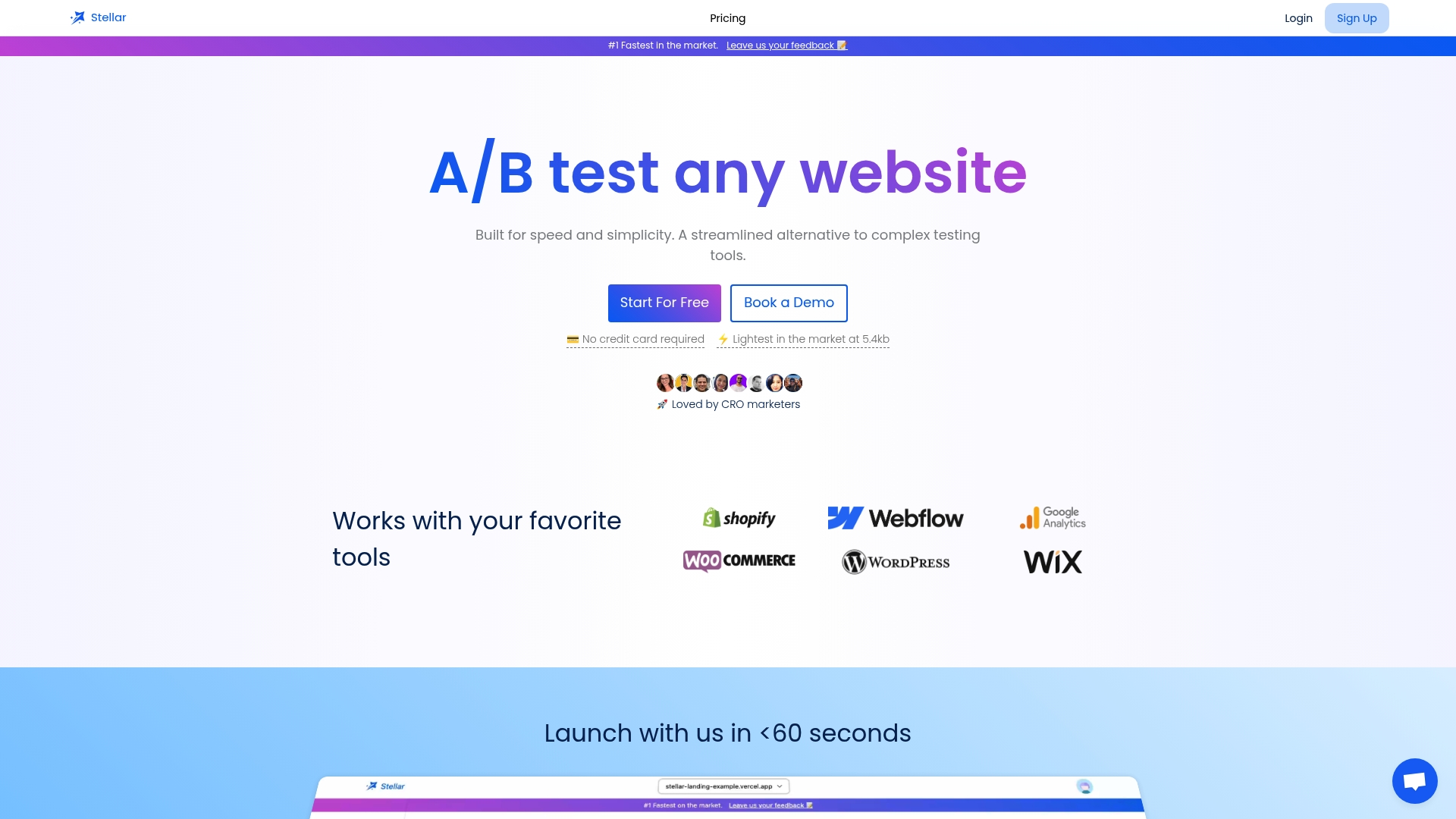
Ready to elevate your holiday ecommerce strategy? Explore how our A/B Testing Tool can help you accelerate performance optimization and conversion improvements. Start today with quick setup and a free plan option at https://gostellar.app to seize the holiday shopping surge before competitors do.
Frequently Asked Questions
What essential steps should I take for holiday ecommerce preparation?
Successful holiday ecommerce preparation includes optimizing website performance, managing inventory effectively, planning targeted marketing campaigns, enhancing customer experiences, and ensuring technical infrastructure readiness.
How can I optimize my website for high traffic during the holiday season?
To optimize your website for high traffic, consider scaling your server infrastructure, implementing a Content Delivery Network (CDN), optimizing images and assets, utilizing caching mechanisms, and ensuring mobile responsiveness.
What are effective product promotion strategies for the holiday season?
Effective product promotion strategies include emotional storytelling in marketing, using personalized recommendation engines, creating limited-time offers for urgency, segmenting email campaigns, and highlighting customer reviews through social proof marketing.
How can I manage logistics and customer support during the holiday rush?
Managing logistics and customer support efficiently involves offering flexible shipping options, providing real-time tracking for shipments, maintaining proactive communication with customers, integrating multi-channel support, and utilizing advanced inventory management techniques.
Recommended
Published: 12/4/2025