
How to A/B Test Headlines for Higher Conversions
Most marketers underestimate the impact headlines have on conversion rates, yet up to 80 percent of visitors never make it past the headline. Making the right first impression can determine whether someone clicks, reads, or simply bounces away. Crafting and testing headlines with purpose gives you the clarity to improve those results and grow real engagement. This step-by-step guide unpacks how to run smarter headline A/B tests so you can turn attention into measurable action.
Table of Contents
- Step 1: Define Clear Headline Testing Goals
- Step 2: Set Up Headline Variants Using A Visual Editor
- Step 3: Implement Tracking For Conversions And User Actions
- Step 4: Launch The A/B Headline Experiment
- Step 5: Analyze Results And Determine The Winning Headline
Quick Summary
| Key Point | Explanation |
|---|---|
| 1. Set Specific Goals | Define clear, measurable objectives for headline testing to guide your process. |
| 2. Use Visual Editors for Variants | Employ visual editing tools to create and modify headline variants efficiently. |
| 3. Track Key Metrics | Monitor conversions, click-through rates, and user actions to gather actionable insights. |
| 4. Launch with Precision | Execute A/B tests simultaneously under controlled conditions to ensure valid results. |
| 5. Analyze for Statistical Significance | Evaluate results for meaningful differences to identify the best-performing headline. |
Step 1: Define clear headline testing goals
Successful headline A/B testing starts with setting crystal clear objectives that guide your entire experimentation process. Your goals will determine everything from metrics to test duration and how you interpret results.
According to HubSpot, defining goals and metrics before conducting any tests is crucial. Without precise objectives, you risk getting lost in data and drawing incorrect conclusions. Start by asking yourself specific questions: Are you trying to increase click through rates? Reduce bounce rates? Improve overall conversion percentages?
As Freedom to Ascend recommends, your goals should be specific, measurable, and attainable. This means moving beyond vague aspirations like "make headlines better" to concrete targets such as "increase landing page conversion rate by 15% within 30 days". Break down your objectives into quantifiable metrics you can track precisely.
Pro Tip: Always connect your headline testing goals directly to broader business outcomes. A headline test isn't just about words on a page - it's about driving meaningful business results.
When you have well defined goals, you create a roadmap that transforms headline testing from guesswork into a strategic, data driven approach. Your next step will be selecting the right metrics to measure those objectives.
Step 2: Set up headline variants using a visual editor
Creating effective headline variants requires a strategic approach that allows you to experiment quickly and efficiently. A visual editor simplifies this process by enabling direct modifications without complex coding skills.
According to Lite16, platforms like Optimizely offer sophisticated visual editors that enable rapid headline changes with advanced targeting and real-time analytics. When setting up your headline variants, focus on changing one core element at a time - this could be the headline length, emotional tone, specific word choices, or value proposition.
Start by identifying your current headline and brainstorming 2-3 alternative versions that maintain your core message but approach it from different angles. Some strategic variations might include:
- Changing from a question format to a statement
- Shifting between benefit-driven and problem-solving language
- Altering the emotional appeal from rational to emotional
- Experimenting with different power words or linguistic structures
Pro Tip: Ensure your headline variants are meaningfully different. Subtle tweaks rarely produce statistically significant insights.
Once you have your variants prepared, leverage our visual editor tutorial on headline optimization to implement and launch your test efficiently.
 The visual interface will allow you to swap headlines with minimal technical overhead, setting you up for meaningful conversion insights.
Step 3: Implement tracking for conversions and user actions
Tracking conversions accurately is the critical backbone of any meaningful A/B headline test. You need a robust system that captures precise user interactions and translates them into actionable insights.
According to SetFire Creative, the key to effective tracking is splitting your audience evenly and allowing the test sufficient runtime to gather statistically significant data. This means establishing clear conversion goals before launching your test - whether that is newsletter signups, product purchases, or content downloads.
To implement comprehensive tracking, focus on these essential metrics:
- Click through rates for each headline variant
- Time spent on page after headline exposure
- Actual conversion completions
- Bounce rates associated with different headlines
Pro Tip: Configure your tracking before launching the test to ensure you capture every relevant data point.
For marketers seeking a deeper understanding, our beginner's guide to conversion tracking provides advanced strategies for setting up comprehensive monitoring. Remember that meaningful tracking transforms A/B testing from guesswork into a precise scientific approach to improving your marketing performance.
Step 4: Launch the A/B headline experiment
Launching an A/B headline experiment requires precision and strategic planning to ensure meaningful results. Your goal is to transform hypothetical improvements into data driven insights that can significantly boost your conversion rates.
According to Vital Strategies, deciding which elements to test and developing a clear hypothesis are crucial steps before launching your experiment. As Almost Zero emphasizes, the key is testing one variable at a time to isolate the specific factor driving performance improvements.
When launching your experiment, follow these critical steps:
- Activate your predetermined headline variants simultaneously
- Ensure equal traffic distribution across test versions
- Set a predetermined test duration based on your traffic volume
- Minimize external variables that could skew results
Pro Tip: Run your experiment during a consistent time period to avoid day of week or time of day fluctuations.
As you prepare to dive deeper into experimental analysis, our guide on split testing headlines offers additional strategic insights for maximizing your conversion optimization efforts. Remember that successful A/B testing is more about systematic learning than just finding a winning headline.
Step 5: Analyze results and determine the winning headline
Analyzing A/B headline test results requires a systematic approach that goes beyond simple surface level metrics. Your objective is to uncover meaningful insights that can drive substantial improvements in your marketing performance.
According to Pages, effective result analysis involves examining key metrics such as click through rates and engagement levels. The play percentage becomes critical in understanding how often each headline variant is displayed to visitors and which option resonates most effectively with your audience.
When evaluating your headline experiment results, consider these comprehensive analysis criteria:
- Statistical significance of performance differences
- Conversion rate for each headline variant
- Click through rates across different audience segments
- Overall engagement metrics like time on page
- Consistency of performance across multiple traffic sources
Pro Tip: Ensure your winning headline shows a meaningful performance improvement above statistical noise level.
To gain deeper insights into interpreting your experimental data, our guide on analyzing split test results offers advanced techniques for extracting actionable marketing intelligence. Remember that the most successful headline is not just about immediate metrics but about creating a connection with your target audience.
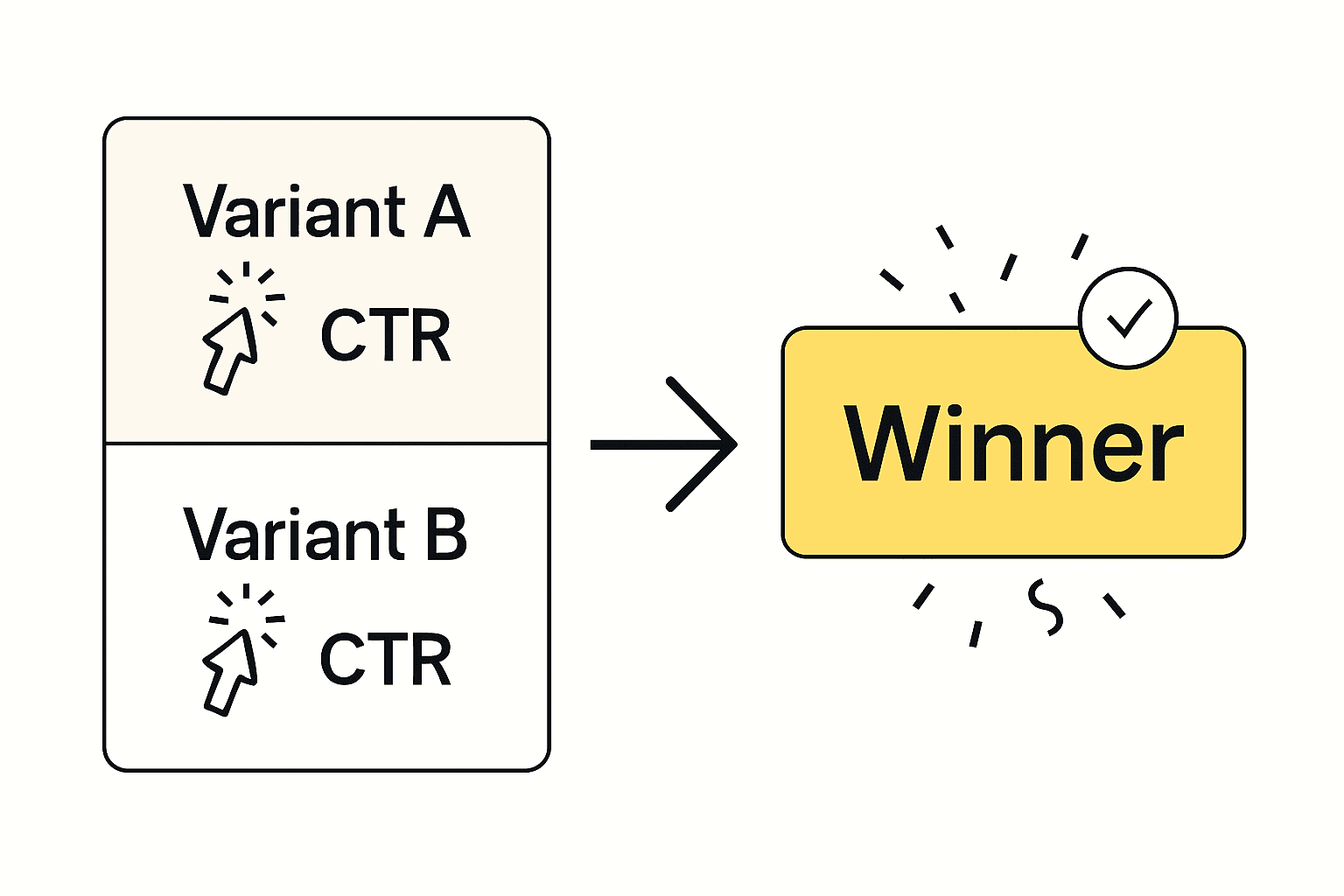
Accelerate Your Headline Testing for Higher Conversions
Struggling to turn headline ideas into clear data-driven results? The article highlights the challenge of setting precise testing goals and implementing seamless headline variants that truly impact conversion rates. Common pain points like tracking user actions effectively and analyzing results for meaningful insights can make A/B testing feel overwhelming and slow.
Stellar solves these hurdles by offering a lightweight, no-code visual editor to quickly create and launch headline variants without technical delays. With our advanced goal tracking and real-time analytics, you can measure click through rates, conversions, and engagement in one place—confidence in your data means faster, smarter decisions. Whether you aim to increase conversion rates by a significant margin or reduce bounce, Stellar’s streamlined platform is built specifically for marketers and growth hackers who need efficiency and actionable insights.
Are you ready to leave guesswork behind?
Start optimizing your headlines today with Stellar’s fastest A/B testing tool. Visit https://gostellar.app now to experience how simple headline experiments can drive powerful business results.
Frequently Asked Questions
How can I define clear goals for my A/B headline testing?
To define clear goals for your A/B headline testing, ask specific questions like, "Do I want to increase click-through rates or improve conversion percentages?" Set measurable targets, such as improving landing page conversions by 15% within 30 days.
What user actions should I track during my A/B headline tests?
Track key user actions such as click-through rates, time spent on page, and actual conversions. Establish clear conversion goals beforehand, whether for signups or sales, to ensure comprehensive data collection.
How do I create effective headline variants for A/B testing?
Create effective headline variants by changing one core element at a time, such as emotional tone or word choice. Brainstorm 2-3 alternative versions that maintain your main message but offer different angles to test impact.
What steps should I take to launch an A/B headline experiment?
To launch an A/B headline experiment, ensure you activate your headline variants simultaneously and distribute traffic evenly. Set a clear test duration and minimize external variables that could affect results.
How do I analyze the results of my A/B headline tests?
Analyze results by examining click-through rates and conversion metrics for each variant. Focus on statistical significance and ensure performance improvements exceed normal variability to determine the winning headline.
What should I consider when interpreting my A/B test results?
When interpreting A/B test results, consider factors like engagement metrics and performance consistency across audience segments. Look for meaningful differences in performance to make informed decisions about your headline strategy.
Recommended
Published: 11/14/2025