
Real-time analytics for marketers: faster A/B testing
Marketers using real-time analytics make decisions up to three times faster than those relying on traditional batch reporting. This speed advantage transforms A/B testing from a waiting game into an agile process that captures trends as they emerge. This guide explains what real-time analytics means for marketing, clarifies common misconceptions, and provides actionable steps for SMB marketers to implement these tools effectively.
Table of Contents
- Understanding Real-Time Analytics In Marketing
- How Real-Time Analytics Enhances A/B Testing Effectiveness
- Essential Features Of Real-Time Analytics Tools For SMB Marketers
- Common Misconceptions And Realistic Expectations About Real-Time Data
- Practical Strategies For Implementing Real-Time Analytics In SMB Marketing
- Bridging Understanding To Action: Maximizing Real-Time Analytics Impact
- Explore Stellar: Your Partner For Real-Time Marketing Analytics
- Frequently Asked Questions
Key takeaways
| Point | Details | |-------|---------|| | Real-time analytics accelerates decisions | Immediate data feedback shortens A/B test cycles by up to 3x, enabling rapid campaign optimization. | | Lightweight tools preserve performance | Scripts under 10KB and no-code editors minimize site impact while maximizing ease of use. | | Misconceptions about accuracy persist | Real-time data can contain up to 15% noise, requiring filtering and validation before acting. | | Feedback loops drive iteration | Continuous testing and refinement based on real-time insights sustain marketing growth. | | SMB-focused features matter most | Prioritize no-code setup, instant goal tracking, and dynamic personalization for maximum impact. |
Understanding real-time analytics in marketing
Real-time analytics captures and displays user behavior data as events occur, not hours or days later. Traditional analytics relies on batch processing, where data gets collected, stored, and then analyzed on a schedule. This delay creates a gap between what users do and when you learn about it.
Immediate behavioral insights matter because marketing conditions change rapidly. A viral social post, a competitor's campaign launch, or a sudden pricing shift can alter audience behavior within minutes. Real-time data lets you spot these changes and adjust campaigns before opportunities vanish.
For SMB marketers, this immediacy translates to competitive advantage. You respond to audience preferences as they shift, test new messaging while interest peaks, and optimize landing pages before traffic patterns change. The speed difference between real-time and batch analytics often determines whether you capture a trend or miss it entirely.
Key benefits of immediacy include:
- Faster identification of winning variations in A/B tests
- Quick detection of technical issues affecting user experience
- Instant validation of new marketing hypotheses
- Ability to capitalize on trending topics or viral moments
Understanding this foundational difference prepares you to leverage real-time data effectively in your marketing analytics strategy.
How real-time analytics enhances A/B testing effectiveness
Immediate feedback transforms A/B testing from a slow validation process into a rapid optimization engine. When you see results as users interact with variations, you identify winners faster and reallocate traffic to maximize conversions. This acceleration matters because every hour a losing variation runs costs you potential customers.

Real-time goal tracking boosts ROI by 25% by correlating user actions with conversions instantly. You see which button color drives clicks, which headline generates signups, and which pricing display converts browsers into buyers. This precision eliminates guesswork and focuses resources on proven tactics.
Faster decisions reduce campaign downtime and capture trends more effectively. Traditional analytics might show you a winning variation after a week, but real-time data reveals it within hours. You can pause underperforming tests quickly, preventing wasted ad spend on variations that clearly fail.
Higher testing accuracy emerges through quick identification of false positives. Real-time monitoring lets you spot statistical flukes early, before they mislead your strategy. You validate results with fresh data streams and adjust confidence thresholds as sample sizes grow.
Pro Tip: Combine real-time insights with historical trends to balance speed and accuracy. Immediate data shows what's happening now, while historical patterns reveal whether current results represent genuine shifts or temporary noise.
Comparing decision timelines and ROI impact:
| Metric | Real-time Analytics | Traditional Analytics |
|---|---|---|
| Decision Speed | 2-4 hours | 3-7 days |
| Test Cycle Time | 1-3 days | 1-3 weeks |
| ROI Improvement | 20-30% uplift | 10-15% uplift |
| Campaign Adjustments | Multiple per day | 1-2 per week |
As one marketer noted, "Real-time data transformed our testing culture from quarterly experiments to daily optimizations. We now run 10x more tests with half the resources."
These advantages make real-time analytics essential for small business marketing where agility compensates for limited budgets.
Essential features of real-time analytics tools for SMB marketers
Lightweight scripts under 10KB preserve website speed while delivering instant insights. Heavy analytics platforms can slow page loads by 2-3 seconds, increasing bounce rates and damaging user experience. SMB marketers need tools that track behavior without becoming a performance bottleneck.

No-code visual editors eliminate IT dependencies and accelerate implementation. You point, click, and create variations without writing code or submitting developer tickets. This accessibility means marketing teams test ideas the same day they conceive them, rather than waiting weeks for technical resources.
Real-time goal tracking measures user actions against conversions as they happen. You define goals like form submissions, purchases, or video views, then watch conversion rates update live as visitors interact with your site. This immediacy reveals which traffic sources and page elements drive the outcomes you care about.
Dynamic keyword insertion boosts conversions by 18% by personalizing content based on user search terms or referral sources. When visitors arrive from different ads or search queries, they see tailored messaging that matches their intent. This relevance increases engagement and conversion rates substantially.
Pro Tip: Prioritize ease of use and performance impact when selecting analytics tools. SMB agility depends on tools that anyone on your team can use without specialized training or technical expertise.
Comparing tool characteristics:
| Feature | Lightweight No-Code Tools | Traditional Platforms |
|---|---|---|
| Script Size | 5-10KB | 50-200KB |
| Setup Time | 15-30 minutes | 2-8 hours |
| Technical Skills Required | None | Moderate to high |
| Performance Impact | Minimal | Noticeable |
| Cost for SMBs | Low to moderate | High |
These features matter because SMB marketers need to move fast without overloading their websites or budgets. When evaluating A/B testing software options, focus on tools designed specifically for small business needs rather than enterprise-scale solutions with unnecessary complexity.
Common misconceptions and realistic expectations about real-time data
Many marketers assume real-time data delivers perfect accuracy, but reality involves noise and incomplete information. Up to 15% of real-time data streams contain errors, duplicates, or delayed events that require filtering. Immediate doesn't mean flawless.
Another misconception suggests real-time analytics demand heavy IT resources and technical expertise. Modern SMB-focused tools use no-code interfaces and lightweight scripts that marketing teams implement independently. The complexity myth prevents many marketers from adopting tools that would accelerate their results.
Integrating noise filtering and data validation prevents false trends from misleading your strategy. Set minimum sample size thresholds before making decisions, apply statistical significance tests, and cross-reference real-time data with other sources. These safeguards catch anomalies before they derail campaigns.
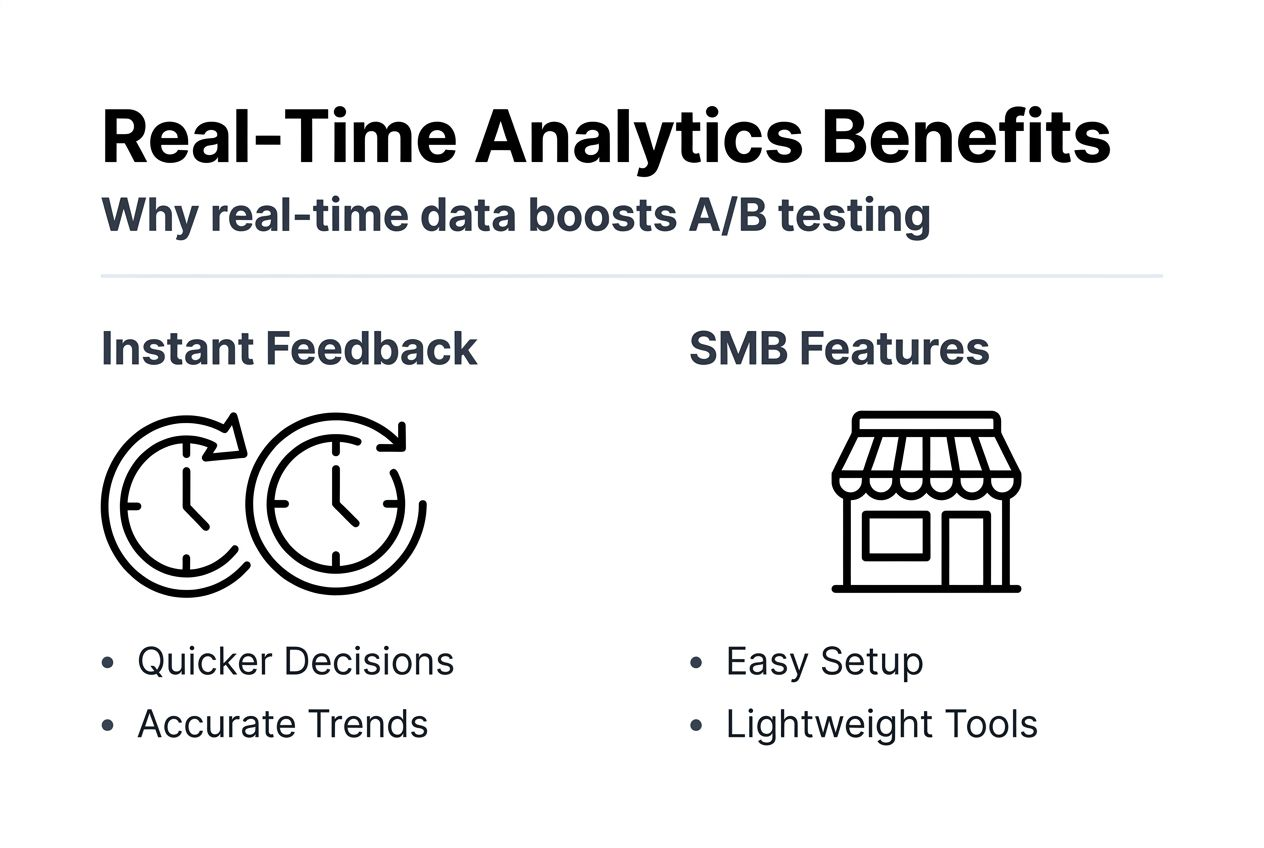
Balancing real-time with historical data provides comprehensive decision-making context. Immediate insights show current behavior, while historical patterns reveal seasonal trends, long-term growth, and typical performance ranges. Both perspectives together create reliable strategy.
Avoid overreacting to rapid fluctuations without statistical validation. A sudden spike in conversions might result from a single large order or a bot, not a genuine improvement. Wait for sustained patterns before declaring victory or changing course dramatically.
Common pitfalls and solutions:
- Trusting tiny sample sizes → Wait for at least 100 conversions per variation before deciding
- Ignoring time-of-day effects → Compare same time periods across different days
- Missing data quality issues → Monitor for duplicate events and tracking errors regularly
- Changing tests too quickly → Let tests run long enough to account for day-of-week variations
- Overlooking statistical significance → Use confidence intervals and p-values to validate results
Understanding these limitations helps you leverage real-time analytics benefits effectively while avoiding the traps that undermine less experienced marketers.
Practical strategies for implementing real-time analytics in SMB marketing
Follow these steps to adopt real-time analytics efficiently and maximize value:
-
Choose a lightweight, no-code real-time analytics platform that minimizes site impact. Look for script sizes under 10KB and setup processes taking under 30 minutes. Evaluate free tiers or trial periods before committing to paid plans.
-
Set up A/B tests with real-time goal tracking to monitor immediate user responses. Define clear conversion goals like email signups, purchases, or content downloads. Configure tracking to capture these events as they occur.
-
Regularly analyze data, applying noise filters and validating trends before making changes. Check sample sizes, statistical significance, and data quality. Compare real-time results with historical baselines to spot anomalies.
-
Iterate hypotheses quickly, adjusting campaigns based on test results to optimize performance. When a variation wins clearly, scale it up. When results remain inconclusive, refine your hypothesis and test again with adjusted parameters.
-
Repeat the feedback loop continuously for sustained marketing growth and agility. Make testing a habit, not a one-time project. Build organizational processes that incorporate real-time insights into weekly planning and decision-making.
Pro Tip: Avoid technical setup pitfalls by using no-code tools designed specifically for SMBs. Complex enterprise platforms introduce unnecessary barriers that slow implementation and reduce team adoption.
Align real-time testing with broader marketing goals and cross-channel strategies for maximum impact. Your social media campaigns should inform landing page tests, and email insights should shape ad messaging. Integration multiplies the value of each data point.
Learn to analyze test results effectively by focusing on metrics that matter to your business. Vanity metrics like page views often distract from conversion-focused goals that actually drive revenue and growth.
Bridging understanding to action: maximizing real-time analytics impact
Real-time analytics delivers accelerated decisions, higher ROI through instant goal tracking, better personalization via dynamic content, and agile marketing that responds to changing conditions. These benefits compound when you implement the right tools and processes.
When choosing real-time analytics platforms, prioritize criteria that match SMB needs. Look for lightweight performance, no-code simplicity, transparent pricing, responsive support, and proven results from similar businesses. Enterprise features you'll never use just add cost and complexity.
Ongoing iteration via the feedback loop model ensures continuous campaign optimization. Each test informs the next hypothesis. Each insight refines your understanding of audience behavior. This compounding knowledge creates sustainable competitive advantage over time.
Start small with user-friendly tools to experience quick wins that build organizational confidence. Run one simple A/B test, measure results in real time, make a data-driven decision, and share the outcome with your team. Early successes create momentum for broader adoption.
Combine real-time data with broader analytics for balanced insight. Use real-time tools for immediate tactical decisions and traditional analytics for strategic planning and trend analysis. Each approach has strengths that complement the other.
Concrete next steps to adopt real-time analytics:
- Evaluate 2-3 lightweight analytics platforms using free trials
- Implement tracking on your highest-traffic landing page
- Run a simple headline or button color A/B test
- Monitor results in real time for 3-5 days
- Make your first data-driven optimization decision
- Document the process and results for team learning
- Gradually expand testing to additional pages and campaigns
These actions transform real-time analytics from an abstract concept into tangible marketing improvements. Visit Stellar to explore tools designed specifically for this implementation journey.
Explore Stellar: your partner for real-time marketing analytics
If you're ready to accelerate your A/B testing with real-time insights, Stellar offers the lightweight, no-code platform SMB marketers need. With a script size of just 5.4KB, Stellar delivers fast, accurate data without slowing your website or requiring technical expertise.
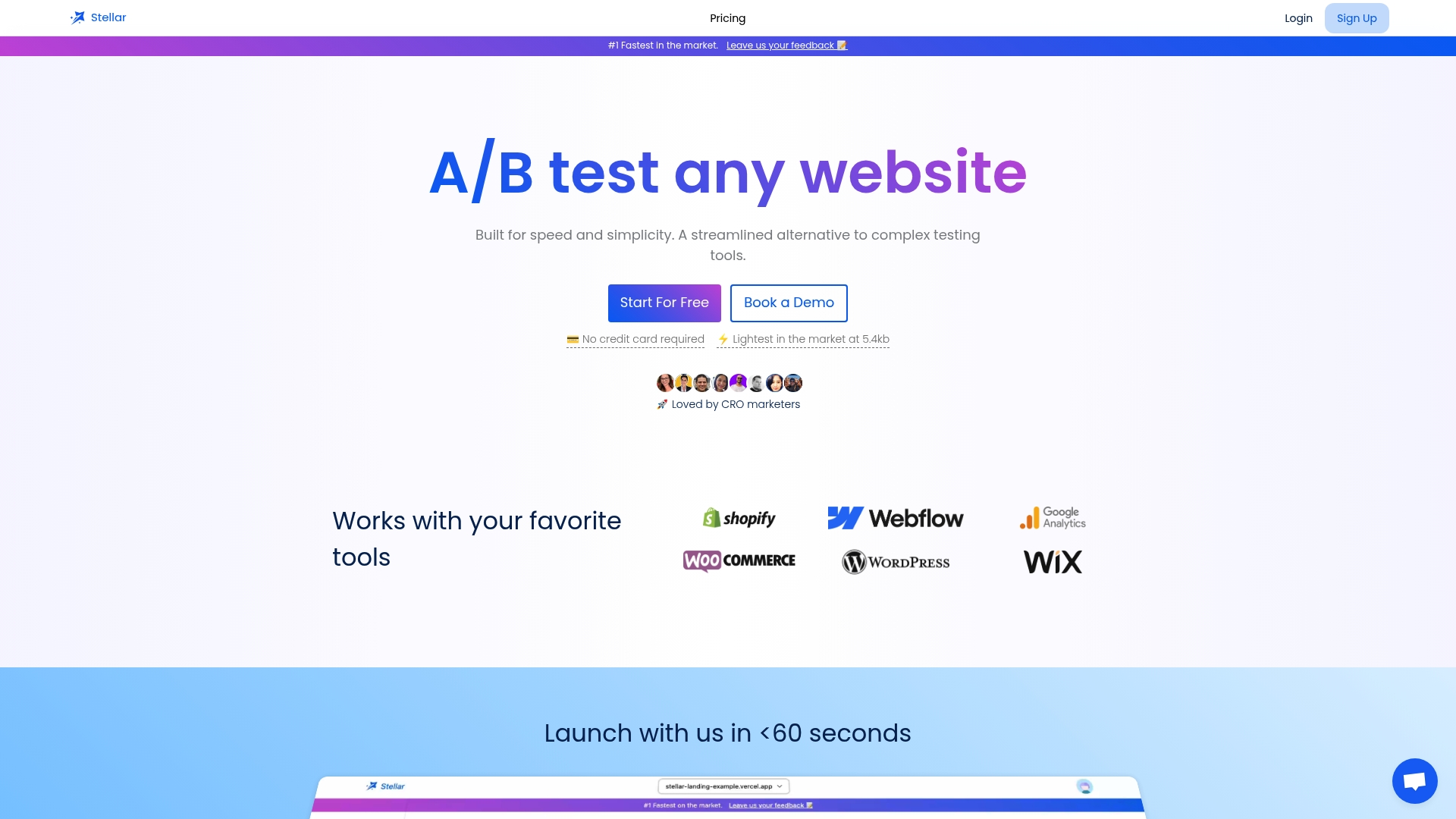
Stellar's real-time goal tracking and dynamic keyword insertion features help you boost conversion rates while maintaining the agility small businesses require. The visual editor lets you create and launch tests in minutes, and real-time analytics show results as they happen, enabling rapid optimization cycles that traditional tools can't match.
Whether you're just starting with A/B testing or looking to upgrade from slower platforms, Stellar combines the performance and simplicity that make real-time analytics accessible. Explore analytics solutions for small businesses and discover how to choose the right tools for your specific needs.
Frequently asked questions
What is real-time analytics in marketing?
Real-time analytics captures and reports user behavior data as events occur, enabling marketers to make immediate, informed decisions to optimize campaigns. This contrasts with traditional analytics that processes data in batches, creating delays between user actions and when you can respond to them.
How do real-time analytics improve A/B testing outcomes?
Real-time analytics shortens decision-making by providing instant test results, allowing marketers to quickly adapt campaigns and increase conversion rates by 20-30%. It also helps detect data noise and statistical anomalies earlier, improving overall test accuracy and preventing false conclusions from misleading your strategy.
What features should SMB marketers prioritize in real-time analytics tools?
Prioritize lightweight scripts under 10KB to avoid slowing sites, no-code visual editors for easy setup without IT involvement, and real-time goal tracking to monitor performance instantly. Personalization features like dynamic keyword insertion enhance relevance and can boost conversions by up to 18%.
Are real-time analytics perfectly accurate?
Real-time analytics can contain up to 15% noisy or incomplete data, making filtering and validation essential before acting on results. Always combine real-time insights with historical data for balanced perspective, and wait for adequate sample sizes before making significant campaign changes.
How can SMB marketers start implementing real-time analytics effectively?
Start with no-code, lightweight tools to minimize complexity and site performance impact. Set clear conversion goals, use the feedback loop model to iterate campaigns rapidly, and begin with simple tests on high-traffic pages to build confidence and demonstrate value to your team.
Recommended
Published: 3/9/2026