
UX and Conversion Links: Powering SaaS Growth
Struggling to turn website clicks into real customer actions is a familiar challenge for marketing professionals balancing tight resources and high expectations. In many small to medium-sized businesses, every detail of the digital experience can mean the difference between a lost visitor and a loyal client. By focusing on intuitive navigation, personalized experiences, and clear conversion links, you can create user journeys that actually drive results without needing technical expertise.
Table of Contents
- Defining UX And Conversion Links
- Types Of Conversion Links In SaaS
- Key Principles Driving User Action
- Optimizing UX For Higher Conversions
- Common Mistakes And How To Avoid Them
Key Takeaways
| Point | Details |
|---|---|
| Importance of UX | User Experience is crucial for digital success, influencing user interactions and overall satisfaction. |
| Role of Conversion Links | Conversion links strategically guide users towards desired actions, enhancing user engagement and business objectives. |
| Continuous Optimization is Key | Regularly analyze user behavior and conduct A/B testing to refine UX and improve conversion rates. |
| Avoid Common Pitfalls | Recognize and address UX mistakes like cognitive overload and weak value communication to enhance user experiences. |
Defining UX and Conversion Links
User Experience (UX) is the cornerstone of digital success, encompassing every interaction a user has with a digital product or service. At its core, UX represents the holistic journey of understanding, navigating, and experiencing a digital platform through intuitive design and seamless functionality.
Understanding UX involves recognizing its multidimensional nature. Fundamental user interaction principles reveal that effective UX design goes far beyond aesthetic appeal, integrating cognitive, emotional, and ergonomic elements that create meaningful digital experiences. These principles aim to transform complex interfaces into intuitive pathways that guide users effortlessly toward their desired goals.
Key components of exceptional UX design include:
- Intuitive Navigation: Creating clear, logical pathways through digital interfaces
- Performance Optimization: Ensuring fast, responsive interactions that minimize user frustration
- Personalized Experiences: Tailoring interactions to individual user preferences and behaviors
- Visual Appeal: Designing aesthetically pleasing interfaces that communicate information effectively
Conversion Links represent the strategic bridges connecting user experience with business objectives. These are carefully crafted touchpoints designed to guide users from initial engagement toward specific actions - whether signing up, making a purchase, or completing a critical task.
The relationship between UX and conversion links is symbiotic. Complex user experience dimensions demonstrate that well-designed conversion links can significantly improve user journey efficiency, reducing friction and increasing the likelihood of desired user actions.
Pro tip: Regularly analyze your conversion link performance using heatmaps and user behavior tracking to continuously refine and optimize your digital experience.
Types of Conversion Links in SaaS
Conversion links are strategic digital signposts that guide users through a SaaS platform's critical decision-making journey. SaaS conversion strategies reveal multiple types of links designed to transform casual visitors into engaged users and paying customers.
The primary categories of conversion links in SaaS platforms include:
- Trial Signup Links: Entryway points that transform potential users into active product explorers
- Feature Upgrade Links: Strategic prompts encouraging users to access advanced platform capabilities
- Onboarding Flow Links: Guided pathways helping users understand and navigate product functionalities
- Pricing Page Call-to-Action Links: Direct mechanisms for transitioning users from evaluation to commitment
- Referral Invitation Links: Social mechanisms enabling user base expansion through personal recommendations
Each conversion link type serves a unique purpose in the user acquisition and retention ecosystem. Contextual conversion strategies demonstrate that effective links must be precisely tailored to specific user interaction points, ensuring maximum engagement and minimal friction.
Successful conversion links share common characteristics: they are visually distinct, contextually relevant, and communicate clear value propositions. By understanding user psychology and behavior, SaaS platforms can design conversion links that feel less like transactional elements and more like helpful guidance toward solving user challenges.
Pro tip: Continuously A/B test your conversion link placement, design, and messaging to optimize user response rates and minimize drop-off points.
Key Principles Driving User Action
Critical UX design principles reveal that driving user action goes far beyond simple visual design. The most effective digital experiences create seamless pathways that transform user intentions into deliberate actions through strategic psychological triggers and intuitive interactions.
The core principles driving user action can be categorized into several key dimensions:
- Cognitive Simplicity: Reducing mental effort required to understand and navigate interfaces
- Emotional Resonance: Creating experiences that connect with users' underlying motivations
- Immediate Value Demonstration: Showing tangible benefits within the first few interactions
- Personalization: Tailoring experiences to individual user preferences and behaviors
- Performance Optimization: Ensuring rapid, frictionless interactions that maintain user momentum
User experience fundamentals underscore that successful user action is not about manipulation, but about creating genuine alignment between user needs and product capabilities. This requires a deep understanding of user psychology, anticipating friction points, and designing interfaces that feel almost intuitive.

Successful SaaS platforms recognize that every interaction is an opportunity to build trust, demonstrate value, and guide users toward meaningful actions. By implementing these principles thoughtfully, businesses can transform passive users into engaged advocates who see the product as a solution to their core challenges.
To better understand how UX principles influence conversion outcomes, here's a comparison of top UX factors and their impact on SaaS business performance:
| UX Principle | Impact on Conversions | Business Benefit |
|---|---|---|
| Cognitive Simplicity | Increases user engagement | Boosts trial signups |
| Emotional Resonance | Strengthens brand loyalty | Enhances customer retention |
| Personalization | Raises user satisfaction | Improves upgrade rates |
| Performance Optimization | Reduces abandonment | Maximizes successful actions |
Pro tip: Map out your user journey and identify potential friction points, then systematically design interventions that reduce cognitive load and increase perceived value.
Optimizing UX for Higher Conversions
Strategic UX optimization techniques reveal that increasing conversion rates goes far beyond superficial design tweaks. Successful SaaS platforms understand that every pixel, interaction, and moment in the user journey represents a critical opportunity to build trust, demonstrate value, and guide potential customers toward meaningful actions.
The key strategies for UX optimization include:
- Friction Elimination: Identifying and removing unnecessary steps in the user journey
- Visual Hierarchy: Designing interfaces that naturally guide user attention
- Personalization: Tailoring experiences to individual user contexts and preferences
- Performance Optimization: Ensuring lightning-fast load times and responsive interactions
- Clear Value Proposition: Communicating benefits immediately and transparently
User-centered design methodologies emphasize the importance of continuous iteration and feedback integration. This means treating UX optimization as an ongoing process of learning, testing, and refining rather than a one-time design exercise. Successful platforms develop a systematic approach to understanding user behavior, tracking interaction patterns, and rapidly implementing improvements.
The most effective conversion optimization strategies blend psychological insight with data-driven design. By creating experiences that feel intuitive, responsive, and genuinely helpful, SaaS platforms can transform casual visitors into engaged users and loyal customers. This requires a holistic approach that considers every touchpoint, from initial landing page interaction to long-term product usage.
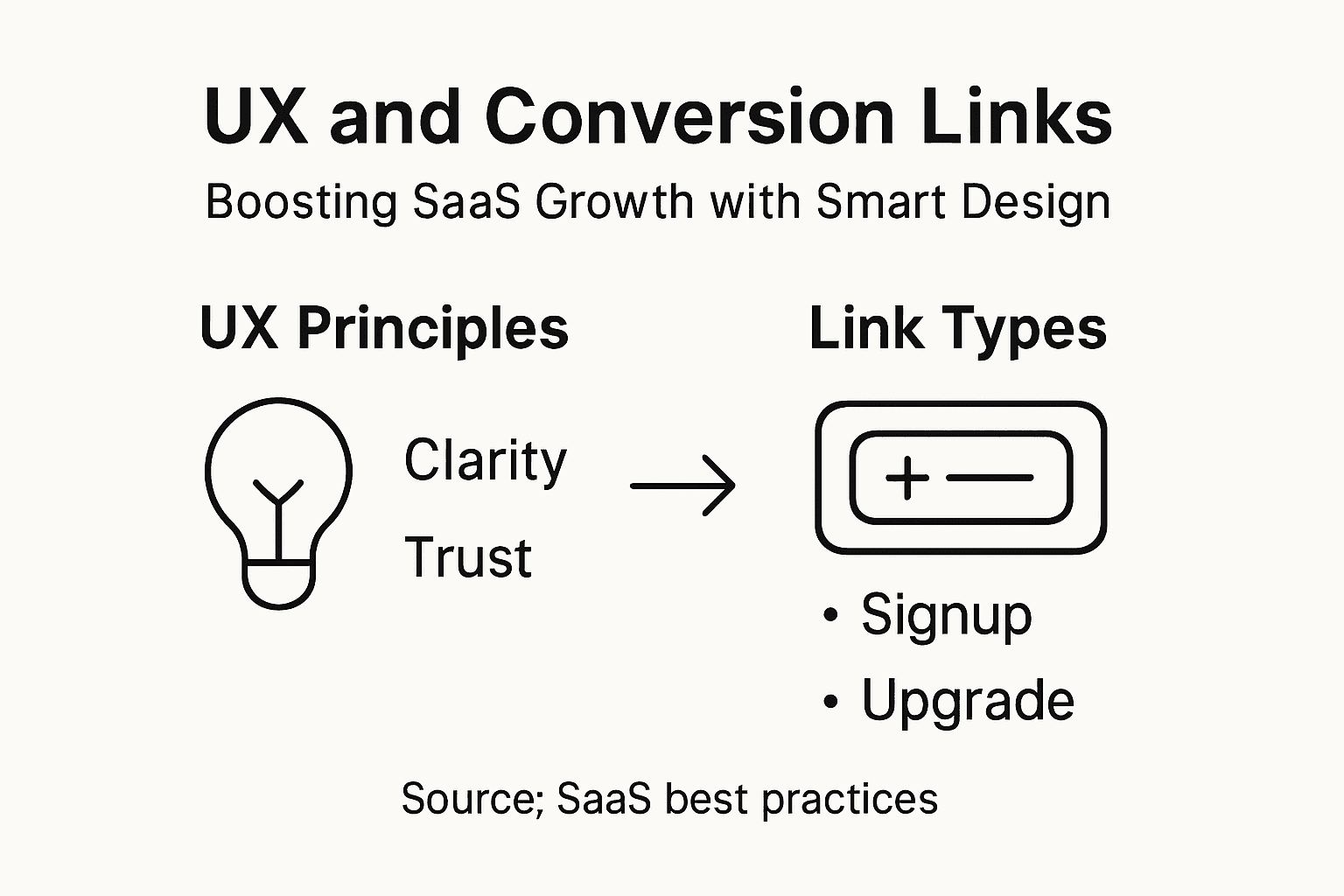
Pro tip: Implement weekly user behavior analytics and conduct regular user testing to continuously identify and eliminate conversion barriers in your digital experience.
Common Mistakes and How to Avoid Them
Common user experience pitfalls reveal that most SaaS platforms struggle with fundamental design misconceptions that dramatically reduce conversion potential. Understanding these mistakes is the first critical step toward creating more effective, user-centric digital experiences.
The most prevalent UX and conversion optimization mistakes include:
- Cognitive Overload: Presenting too many options or complex interface elements
- Inconsistent Design: Lacking visual and interaction consistency across platform
- Weak Value Communication: Failing to clearly articulate product benefits
- Neglecting User Feedback: Ignoring actual user behavior and experience data
- Performance Ignorance: Overlooking page load times and interaction responsiveness
Strategic UX research approaches demonstrate that avoiding these mistakes requires a systematic, data-driven methodology. Successful SaaS platforms develop robust feedback loops, continuously testing and refining their user experience based on empirical insights rather than assumptions.
Mitigating these common errors demands a holistic approach that balances aesthetic design, functional clarity, and genuine user-centricity. This means moving beyond surface-level improvements and developing a deep understanding of user motivations, pain points, and interaction patterns. By adopting a nuanced, iterative approach to UX design, platforms can transform potential conversion barriers into seamless, engaging experiences.
Here's a summary of common UX and conversion link mistakes and how SaaS platforms can address them:
| Mistake | Effect on Users | How to Prevent |
|---|---|---|
| Cognitive Overload | Causes confusion, fatigue | Simplify interface design |
| Inconsistent Visuals | Reduces trust, clarity | Maintain design standards |
| Weak Value Communication | Low perceived product value | Highlight key benefits |
| Feedback Neglect | Misses real user needs | Use analytics and interviews |
| Slow Performance | Frustrates, increases churn | Optimize load times |
Pro tip: Implement a quarterly UX audit that combines quantitative analytics with qualitative user interviews to identify and address potential friction points in your digital experience.
Elevate Your SaaS Growth with Seamless UX and Conversion Optimization
The article highlights how powerful UX design and strategic conversion links propel SaaS platforms toward higher user engagement and increased conversions. If cognitive simplicity, emotional resonance, and performance optimization are critical to your growth, then tackling friction points and converting visitors into loyal customers must be your focus. Achieving this requires tools that enable real-time experimentation and rapid insights without compromising site speed or user experience.
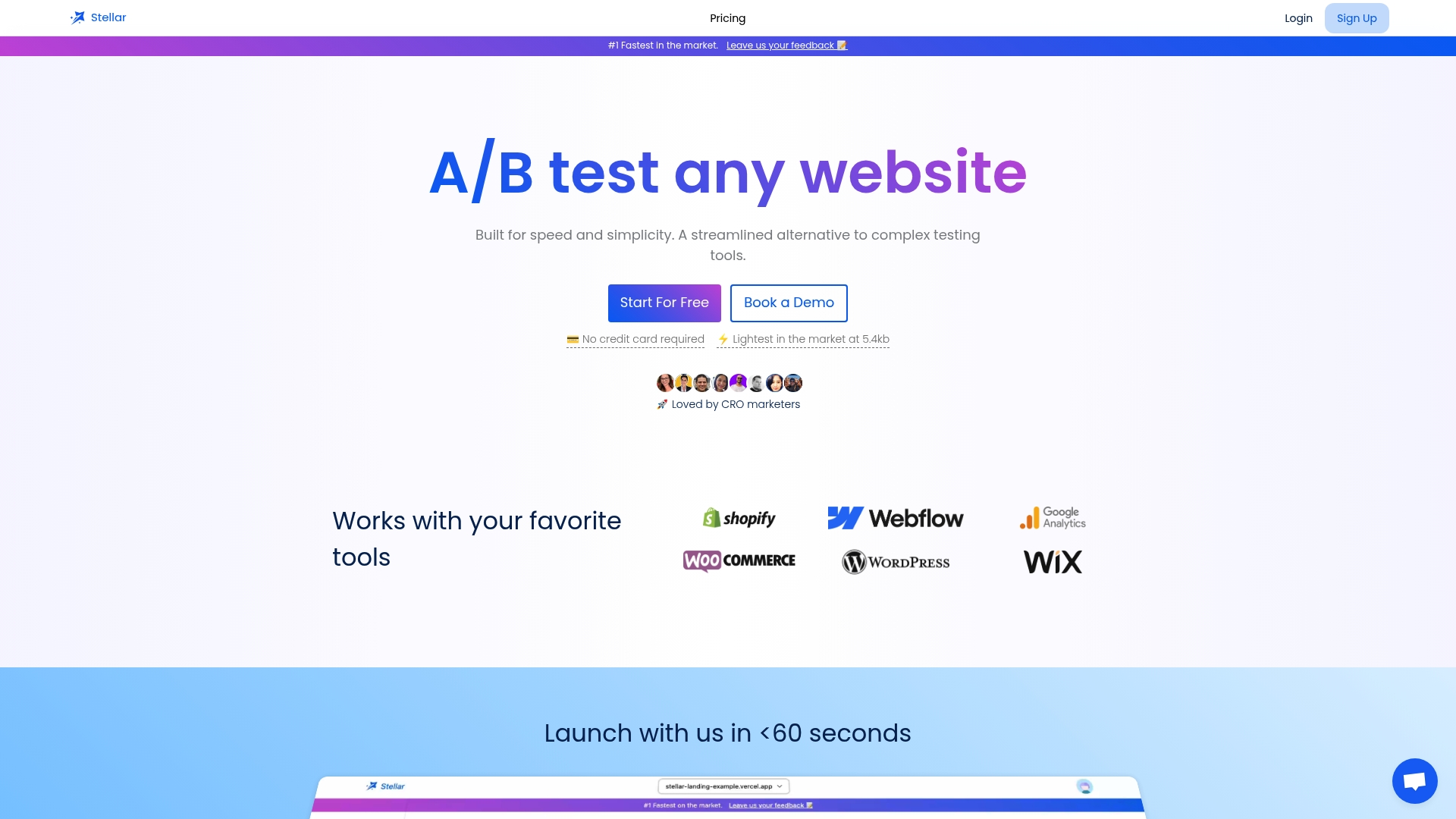
Discover how Stellar’s A/B Testing Tool and Visual Editor empower marketers and growth hackers to deploy seamless, high-impact tests that refine conversion pathways with ease. With just a lightweight 5.4KB script, Stellar reduces performance drag while helping you deliver personalized, data-driven experiences that resonate emotionally and drive action. Start optimizing UX for higher conversions today by visiting https://gostellar.app and take control of your SaaS growth journey now.
Frequently Asked Questions
What is User Experience (UX) and why is it important for SaaS?
User Experience (UX) encompasses every interaction a user has with a digital product, focusing on intuitive design and seamless functionality. It's vital for SaaS as it can significantly influence user satisfaction and lead to improved conversion rates.
How do conversion links impact user engagement in SaaS?
Conversion links serve as strategic touchpoints that guide users toward specific actions, such as signing up or making a purchase. Well-designed conversion links enhance user engagement by reducing friction and providing clear pathways to goals.
What are some common types of conversion links in SaaS platforms?
Common types of conversion links in SaaS include trial signup links, feature upgrade links, onboarding flow links, pricing page call-to-action links, and referral invitation links. Each type plays a unique role in the user acquisition process.
How can I optimize UX for higher conversions in my SaaS application?
To optimize UX for conversions, focus on eliminating friction in the user journey, creating a clear visual hierarchy, personalizing experiences, ensuring fast performance, and clearly communicating your value proposition.
Recommended
- Conversion Funnels: Boosting SaaS Growth With Data
- Converting Traffic Into Leads: Data-Driven SaaS Results
- UX and Conversion Rates: Complete Optimization Guide
- How to Increase Conversions: 7 Proven Strategies for Success
- How to Design Homepage for Small Business Success | Dreamhaus
- Unlocking Customer Loyalty: A Roadmap for Small Businesses
Published: 2/9/2026